
Finding the Right Finish: The Appeal of Low-Sheen Floors
Home design has been steadily shifting toward finishes that feel grounded, relaxed, and authentic. High-gloss surfaces once dominated, but they’re now being replaced with floors that reflect less light and show more of a material’s natural character.
Sheen shapes how a room feels. It affects brightness, warmth, and even how clean a space appears. Subtle finishes tend to create calmer environments, soften harsh lighting, and bring attention to texture rather than shine.
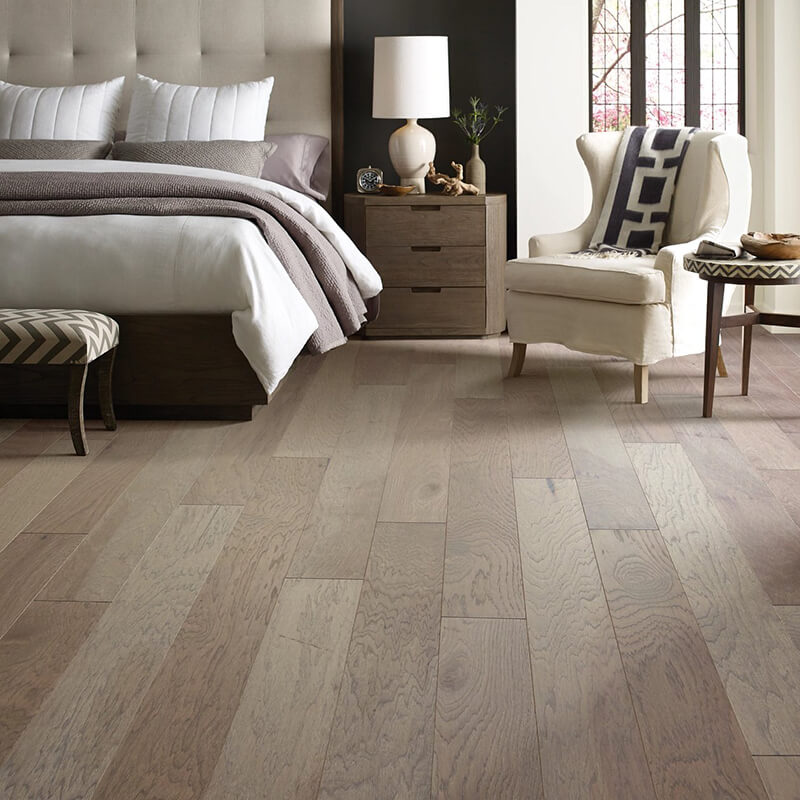
That growing preference has placed matte and satin finishes at the center of modern flooring design. These low-sheen looks support long-term style, work across a wide range of interiors, and provide practical advantages for everyday living.
The Difference Between Matte and Satin Floors
Matte and satin finishes deliver a softer, more natural look than high-gloss floors. Both sit in the low-sheen range, helping surfaces feel calm and grounded while reducing glare from overhead lighting and large windows.
The distinction comes down to how much light each finish reflects. Matte absorbs more light, creating a muted, organic appearance, while satin offers a gentle glow that brightens the room without looking shiny. That subtle shift influences the mood of a space, its sense of formality, and how noticeable everyday wear may become.
- Overall Visual Impression: Matte feels relaxed and understated, while satin adds a touch of polish and definition.
- Effect on Surface Detail: Matte highlights texture and natural variation more strongly, while satin softens those details for a smoother, refined appearance.
- How Everyday Wear Shows Up: Both finishes hide dust and footprints better than glossy floors, though matte often masks light scuffs more easily, while satin may show marks sooner in bright rooms.
Low-Sheen Flooring Across Today’s Flooring Materials
Today’s matte and satin finishes extend far beyond traditional hardwood. Advances in manufacturing allow nearly every major flooring type to capture the look of natural materials while delivering durability suited for busy homes.
Hardwood
In hardwood flooring, low-sheen finishes draw attention to the wood itself rather than the coating on top. Natural grain patterns become more visible, especially when paired with wire-brushed or lightly textured surfaces. Matte and satin finishes highlight features such as cathedral grain, mineral streaks, and color variation that give boards their individuality. These sheens also complement wide-plank styles and European white oak looks that anchor many current interiors.
- Design Direction: Low-sheen hardwood reinforces organic modern, Scandinavian, and transitional interiors by letting plank shape, knots, and grain movement serve as the room’s defining architectural feature rather than surface shine.
- Color and Texture Pairings: Pale oaks, mushroom browns, and soft taupes pair well with plaster-look walls, wool rugs, linen upholstery, and brushed metals that echo the floor’s natural finish.
- Plank Format Influence: Wide and extra-long boards look especially striking in matte or satin because the uninterrupted surface emphasizes flow and proportion across the room.
- Where It Works Best: Living rooms and bedrooms benefit from these finishes because they support layered furnishings, cozy textiles, and a relaxed sense of continuity that glossy floors can disrupt.
Luxury Vinyl
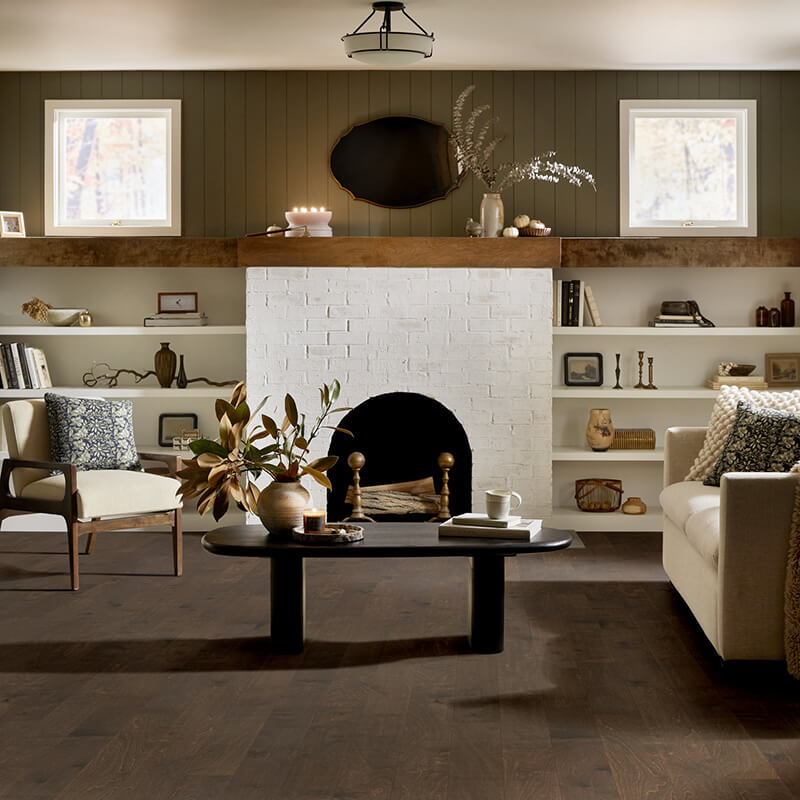
Luxury vinyl has evolved dramatically, particularly through Embossed in Register technology that syncs surface texture with printed visuals. Matte finishes heighten that realism by reducing the shine once associated with older synthetic floors. With glare minimized, plank and tile designs read more like true wood or stone, making luxury vinyl a strong fit for moisture-prone or high-traffic areas.
- Design Direction: Low-sheen luxury vinyl supports casual contemporary, farmhouse, and transitional spaces where realism matters and floors are expected to blend seamlessly with cabinetry and built-ins.
- Color and Texture Pairings: Warm oak visuals, limestone-inspired grays, and soft beiges complement shaker cabinets, quartz counters, handmade-look tile backsplashes, and black or champagne-bronze hardware.
- Plank and Tile Styling: Longer planks and oversized tiles look more convincing in matte finishes because the subtle surface keeps printed patterns from feeling repetitive across large areas.
- Where It Works Best: Kitchens and family rooms benefit because these spaces rely on visual cohesion between flooring, cabinetry, and furniture rather than statement shine.
Laminate
Modern laminate floors feature protective wear layers designed to maintain a low-sheen appearance over time. These finishes recreate the depth of premium hardwood while supporting daily activity in active households. Matte and satin laminates often include subtle surface texture and detailed grain visuals that help the floor feel integrated into contemporary interiors rather than overly polished.
- Design Direction: Matte and satin laminate works well in modern and transitional homes where the goal is warmth without formality, especially in upstairs living areas or finished lower levels.
- Color and Texture Pairings: Blond woods, cool neutrals, and mid-tone browns pair easily with painted millwork, upholstered headboards, layered area rugs, and soft window treatments.
- Surface Detailing: Subtle beveling and textured embossing read more authentically under low sheen, allowing individual boards to feel distinct without looking overly outlined.
- Where It Works Best: Bedrooms and hallways benefit because these spaces depend on comfort-driven design and visual softness rather than reflective finishes.
Tile
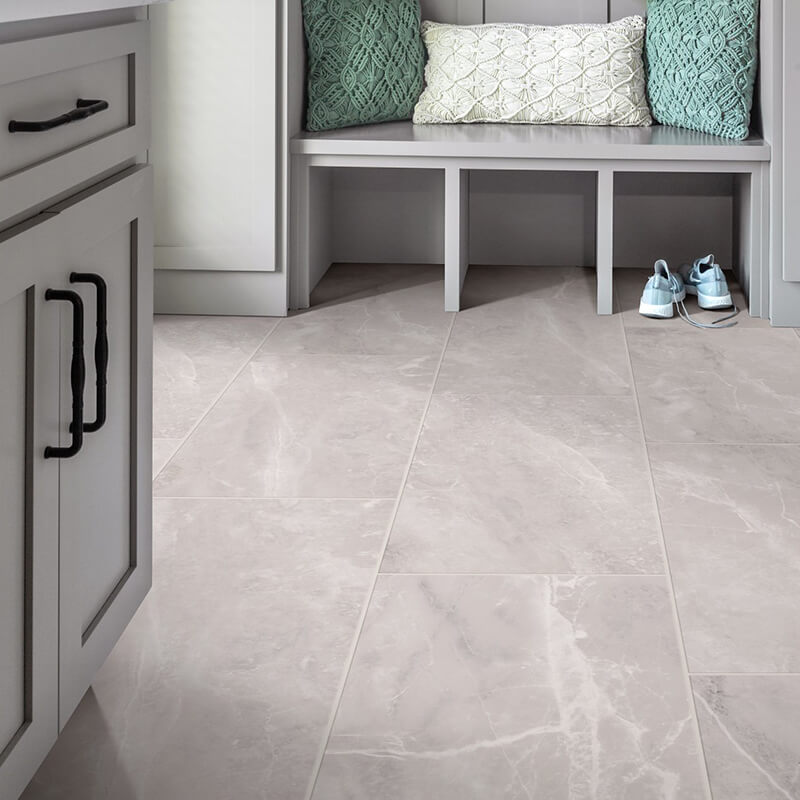
Tile and stone-inspired surfaces gain much of their appeal from texture and variation, which matte finishes emphasize beautifully. Slate, limestone, concrete, and travertine visuals take on added depth through subdued sheens that soften reflections and keep the surface from feeling slick or overly formal. Satin finishes offer a touch more light return while preserving a grounded, architectural feel.
- Design Direction: Low-sheen tile reinforces spa-inspired baths, Mediterranean entries, and industrial kitchens where surface variation and material character shape the atmosphere.
- Color and Texture Pairings: Greige stone looks, warm ivory, charcoal, and concrete tones pair naturally with wood vanities, floating shelves, plaster walls, and brushed brass or black fixtures.
- Tile Size and Layout: Large-format tiles, stacked layouts, and herringbone patterns appear more architectural in matte finishes because the subdued surface lets grout lines and geometry define the space.
- Where It Works Best: Foyers and bathrooms benefit because these rooms rely on tactile surfaces and strong material presence to create an inviting first impression.
Finding the Right Balance for Your Space
Selecting between matte and satin depends on how your rooms function, the amount of light they receive, and the pace of daily life within the home. A thoughtful sheen choice helps the floor feel intentional rather than trendy.
- Light and Glare: Rooms with large windows or strong overhead lighting often benefit from matte finishes that reduce reflection. Lower-light spaces may welcome a satin glow that adds subtle brightness.
- Traffic and Lifestyle: Homes with children, pets, or steady foot traffic often lean toward matte or satin because these finishes disguise dust, smudges, and minor wear more easily than glossier surfaces.
- Maintenance Expectations: Low-sheen floors tend to hide footprints and everyday debris, which can make regular upkeep feel simpler. Routine sweeping and gentle cleaning usually keep them looking fresh.
A Subtle Finish with Lasting Impact
The right sheen brings harmony to a home. Matte and satin floors create interiors that feel welcoming, refined, and comfortable for everyday living while supporting long-term design goals.
At Birons Flooring Inc, we can walk you through today’s low-sheen flooring options and help you select a surface that fits your rooms, your lifestyle, and your vision for your home in Newport, NH.